A feature article on the Science and Development Network -- SciDev.Net. Oct 3, 2007
The rapid growth of technology parks in the Arab world has so far created more expectations than outcomes, reports Waleed Al-Shobakky.
[In the photo, right, Eulian Roberts, CEO of QSTP. Source: QSTP] It is "parking" time in the Middle East. Over the past few years, technology parks have been sprouting up all over the region: from Egypt, Morocco and Tunisia in the north, to Kuwait, Oman and Qatar in the east.
Recognising that their natural resources, particularly oil, are being fast depleted, and looking to emulate the success stories of technology parks in Asia, Europe and North America in creating jobs and successful businesses, countries like Turkey and the United Arab Emirates have constructed as many as seven or eight parks.
But as the ranks swell, the question remains: will technology parks be able to prove their worth?
Good reasons
The concept of gathering together businesses with similar interests in one place is now a region-wide movement in the Middle East, but different reasons lie behind each country's decision to join the bandwagon.
For instance, to the oil-wealthy Gulf states, science and technology parks are tools for diversifying the economy in preparation for the post-oil times.
For the less-endowed countries, such as Egypt and Jordan, technology parks seem to be a way out of poverty — with high potential returns without the need for prohibitively high investments.
The successful parks of India and Malaysia look particularly appealing to these countries. This may explain why Middle Eastern governments have established a total of 30 technology parks dedicated to information and communication technology (ICT) alone, according to the United Nations Industrial Development Organization (UNIDO). There are also 15 biotechnology parks, and 12 dedicated to advanced engineering.
Indeed, the buzz surrounding technology parks in the region, says Eulian Roberts, chief executive officer of Qatar Science and Technology Park (QSTP), is coming from what policymakers see happening elsewhere — namely the technology parks' ability to foster a country's economy, without necessarily relying on natural resources.
And there is research to back this up. A study from the United Kingdom's Science Park Association, says Roberts, found that companies located inside technology parks stand a better chance of gaining funds and support — and hence success — than their counterparts outside.
Technology parks are also thought to help initiate synergy with academic institutions. "They encourage productive R&D in academia and provide a mechanism to commercialise this research," says Omar Hamarneh, director of iPARK, Jordan's government-run institution mandated with supporting technology start-ups.
A focus problem
But the near consensus over the validity of establishing technology parks erodes when it comes to deciding what to do with them.
One view, as articulated by Tarek Elabbady, director of the Microsoft Innovation Centre in Egypt, is that technology parks should focus on supporting the "most rewarding industries," in terms of either monetary returns or jobs.
Elabbady says high-population countries like Egypt can make the most of technology parks by channelling their energy into the most rewarding job-creating sectors, such as agriculture and textiles. To that end, research and development activities could focus on areas such as bioinformatics and fertilizers.
Another view is that a technology park should be employed as an instrument to augment the economic gains from a country's existing natural resources, says QSTP's Roberts.
For a country with a small population such as Qatar, Roberts explains, technology parks can be a way to generate wealth through intellectual capital — for example, through development of specialised fuel formulas for the aeronautic industry and more environment-friendly energy solutions — rather than relying solely on the direct exploitation of natural resources like oil.
Besides the intellectual capital gains, science and technology parks can also bring about "human capital" gains. They could attract expatriates back from Europe and the United States and stem the brain drain, says Mikko Suonenlahti, a Finnish venture capitalist who runs the two new technology funds of the QSTP.
And beyond that, Egypt's Smart Village, like its counterparts in the region, is starting to attract foreign entrepreneurs and executives to set up their own companies.
Indeed, the current zeal for technology parks has put entrepreneurs in a good position. Governments and technology park authorities in the region try to outbid each other in offering incentives (such as tax holidays, access to venture capital and unrestricted movement of labour, equipment and merchandise) to attract entrepreneurial talents, both from within the region and from outside.
To some, such as Suonenlahti, "competition is always good," because the free movement of talents and venture capital in the region will lead to the best allocation of resources, and best outcomes.
Competition vs. integration
To others, such as Elabbady, competition at this stage should give way to integration that is based on specialisation. That view probably stems from a curious dilemma in the Arab world: countries that are rich in human resources (like Egypt and Turkey) are often poor in resources, and vice versa — as is the case in the Gulf.
result is either a technology park rich in human capital but poor in infrastructure and facilities, or one with good resources but a limited (and hence highly expensive) talent pool.
One consequence is that countries with similar economies — such as the Gulf States, with their reliance on oil — look set to compete for the same big clients in the hydrocarbon sector. Everyone is talking about specialisation in the long term. But it seems that little has been done to that effect.
QSTP's Roberts says that specialisation is surely the road ahead; but the nascence of almost all technology parks in the region makes them hold their bets as to what to specialise in, until areas of specialisation emerge naturally, in response to market realities. QSTP, for example, has among its targeted sectors aircraft operations, environmental technology, gas and petrochemicals and ICT.
Tarek Elabbady sees the situation differently. He says most technology parks in the Arab world are not focused, spreading their already limited resources on widely diverse activities.
The state of science and technology today, he says, would reward most those with focus on a certain discipline — such as what Singapore is trying to do in biotechnology, South Korea in electronics, or Taiwan in microchips.
Elabbady also believes that many of the science and technology parks in the Arab world have practically no entry criteria and are in essence real estate development projects with just a tiny research and development component.
Attempting to be everything to everyone, Elabbady says, could help technology parks get quick returns in the short term by attracting multinational and large national companies. But this approach, he adds, robs technology parks of any significant future potential, particularly in local capacity building.
On the other hand, Ahmed Naim, sales and marketing director at the Smart Village, says that the traditional boundaries between different research fields — such as information technology, media and communication technologies — are no longer relevant. And this is why such a diverse range of companies do business at the village.
Should the lack of specialisation then be a reason for concern? Adhip Chaudhuri, economics professor at Georgetown University in Qatar, says no.
In the oil-rich Gulf, he says, specialisation will happen sooner or later because the growing demand on oil serves as an incentive for companies to come and set up shop here in search for niche markets or innovative products.
Not the panacea
Whether diversity is good or bad for science and technology parks may not be certain. What is certain is that what those parks have achieved so far in the Middle East is not much in terms of patents granted or technology companies listed on international stock markets.
In spite of this, euphoric reports, particularly from state-run media, have already started portraying technology parks as a magic entry pass into the league of developed countries.
"We sometimes get carried away by the excitement and lose sight of the goals and how we are going to get to them," says Microsoft's Elabbady.
To counter this, adjusting expectation is necessary.
Eulian Roberts says that policymakers and the public alike need to be reminded that technology parks are not the panacea for the knowledge economy. They are rather "one important instrument that can focus effort and resources and deliver visible results".
Nevertheless, technology parks are already sending a positive message about the region into the larger world. Says the Smart Village's Naim, "The mere presence of technology parks in Egypt and other countries is gradually changing the desert-and-camels stereotypes about the region."
October 3, 2007
The Rise of Middle East Technology Parks

October 2, 2007
A Broader Cautionary Tale in the Skype Outage
[Waleed Al-Shobakky; published on IslamOnline.net] Now that the dust has settled and the uproar has faded, what can we learn from the mid-August Skype outage? (Hint: A unipolar operating system world may have unforeseen weaknesses, and Microsoft is perhaps the least to blame.)
First, what happened? Skype, the most widely used Internet phone service (free to use from PC to PC) went black on August 16, 2007. (Arak)
Now almost a household name, Skype is not merely a "chat" service for teens with plenty of time to spare. Over the past few years, Skype-in and Skype-out services that afford calls to regular land-line and mobile phones at much lower rates have already lured many businesses away from traditional telecoms.
The two-day service collapse affected thousands of businesses. Not surprisingly, the outage invited outrage.
Skype — a company eBay acquired late in 2005 for US$2.6 billion — did not respond fast. Initially they kept mum about the reasons for the service meltdown. When they spoke, they were not terribly convincing. There was talk of the impact of Windows patch prompting a massive reboot wave that the Skype software could not handle.
Always on the lookout for chances to embarrass the software giant, the anti-Microsoft camp was quick to heap yet more of their criticism on what they consider Microsoft's release-prematurely-and-patch-along-the-way model. As a result, the Skype team quickly refined their earlier statement by stressing that the Windows patch may have "triggered" the bug but was not the cause for the bug or the outage.
True, but misleading.
The Windows patch in its own right is not responsible for the Skype outage. But the desktop world's inexplicable reliance on a single operating system — Windows — is probably the real culprit.
To understand why, we need to recall how Skype works. It utilizes the Voice over Internet Protocol (VoIP) technology in which voice is transmitted as packets of data, similar to how e-mail works, with encoding and decoding happening at the two ends of the call, or the two user PCs.
The unique thing about Skype is that it largely does not have its own central servers (for routing calls and the like). Thanks to intelligent peer-to-peer network software, they harness each user PC as a node in the network. With every new user PC added, therefore, the network grows and the service (voice) quality improves.
At any point in time you log onto the Skype network, chances are you will find about seven million users online. In other words, you will be logged to a seven-million-node-strong network (possibly several times larger than Google's). The Skype founders had clearly honed their "distributed-network" model in their earlier project: the controversial Kazaa file-sharing network.
The Hypothetical Is Real
The peer-to-peer design of Skype has been, quite deservedly, touted as revolutionarily efficient. Instead of building a network that depends entirely on central servers, with costly hardware investments, you leave it to the software to connect together a network of nodes composed of the users' own PCs. And you offer the service almost free.
But a little, seemingly theoretical, question remained. How would the network function if all its users, for some reason, logged out en masse?
The hypothetical, it turned out, was real. And the answer to the question came on August 16. Users did not conspire to bring Skype down; they had to disappear from the network with the obligatory reboot after installing the Windows patch. The peer-to-peer design was put to test. And it failed (in the Skype-speak, it was only a glitch).
But before we rush to conclusions, one basic idea must be duly emphasized. This outage would not have appeared had we had a world with a variety of desktop operating system options. And it would be too simplistic to just label Microsoft as evil for this situation.
It is rather too unwise of governments, particularly in the US and Europe, to fail to see this limitation and its possible consequences. Needless to say, this does not mean that those governments should crack down on Microsoft, though this is what the EU competition court seems to be doing now. They should rather think more seriously about financing, through venture capital, and spearheading alternative desktop operating system projects.
What can be the incentive for governments to invest in operating system projects? Harnessing the collective computing power of user computers could prove crucial in affording more free and useful services, such as Skype, in both the developed and developing nations. Its potential, however, remains vulnerable as the next patch looms.
New Dimension to Old Controversy
The Skype sudden blackout indeed adds a new dimension to the long-standing controversy around Microsoft, the world's largest software company. However, this time around it is not the expensive Microsoft products versus inexpensive products from others. Nor is it closed-source versus open-source code (as in Windows operating system versus Linux). It is rather about the simple fact that a world dependent almost solely on a single computing platform is likely too vulnerable.
A technology sector with a Windows-only option is like how the world economy would be had we had, say, a Citibank-only global banking sector. There is the obvious vulnerability of not having backup or plan-B options. And there is the stifling effect a unipolar operating system world may impose on creative concepts that depend for their resilience on multi-colored networks, such as the distributed network of Skype.
Microsoft is probably the least to blame for that. And the market dynamics may not be too helpful. After all, as Microsoft grew larger — using monopolistic practices or not — it became increasingly difficult for smaller companies to compete with it. It, therefore, is incumbent on governments to step in where the market has quite failed.
August 11, 2007
Bridging the medical research gulf
Published on ScienceBusiness.net| August 9, 2007
Waleed Al-Shobakky in Cairo, Egypt [In the photo a computer-generated image of Sidra]
What price excellence? Qatar’s Sidra Medical and Research Centre has $7.9 billion to build a world class institution. But is money enough to bridge the gap? Of the six Gulf States, Qatar ranks second to last in size. But in investment in science and research, by contrast, the small emirate has recently become second to none -even outspending its much larger Middle Eastern neighbours, including Syria, Egypt, Turkey and Iran.
Qatar's newest research initiative embodies one of the tiny state's grandest ambitions yet. Sidra, a 382-bed medical and research facility with a whopping $7.9-billion endowment, is being set up in partnership with the Weill Cornell Medical College in Qatar (WCMC-Q) to be a regional hub of high-quality healthcare, education and research.
The leaders of Qatar and the masterminds behind Sidra estimate that the centre's abundant research money and its research agenda - focusing on cutting-edge and highly fashionable fields such as stem cells and genomics - will attract top research talents from around the world. Among the targets are pools of Arab scientists in the North American and European diasporas who wish to return to the region to be closer to home.
If things go as planned, this otherwise obscure Gulf emirate, could in a very short time be competing with the world's medical research titans, says WCMC-Q's vice dean, Javaid Sheikh.
Low base, high bar
Javaid Sheikh's enthusiasm for his new job is palpable. In an interview for Al-Jazeera satellite television channel (yet to be aired), he says that as WCMC-Q's vice dean for research he can convince the world’s best researchers to come to Qatar to do their research on genomics and stem cells.Prof Sheikh, fresh in Qatar from Stanford University, also believes that in a handful of years, Qatar will be able to compete against countries with far deeper roots in medical research, in Europe and North America. Medical science, he says, is at a unique juncture when you can bring research to new quarters, like Qatar, and be able to compete with the best in the world within five years.
Certainly the terms used to describe the project when it was first unveiled last March underline the state’s ambitions: “Sidra will achieve the highest international standards in patient care, teaching and research.”
It may be hard to envisage how Qatar can reach such a pinnacle. After all, the country, like its Gulf neighbours, is resource-rich, but research-poor. So Qatar has set out to make the contrast in that reality less glaring.
Daniel Bergin, Sidra's executive project director, recognises that to attract the manpower necessary to achieve its goals the new centre has to have some unique features,
The trump card is the US$7.9 billion endowment - the largest of any medical centre anywhere. Bergin says that Qatar Foundation’s stupendous endowment will, “ensure, in large part, the continuation of vital clinical and translational research to be conducted at Sidra."
The second attraction of Sidra, says the centre's chief, is its affiliation with the medical school of the Ivy-League Cornell University, “which will cement [the centre's] place among the most prestigious medical and research institutions in the world.”
Cornell is one of the Western universities to have opened branch campuses in Doha's Education City at the invitation of (and with generous sponsorship from) the Qatar Foundation, the institution which spearheads Qatar's education and research projects.
Among the other schools hosted at the 25,000 acre campus are Carnegie Mellon University's business and computer science schools; Texas A&M School of Engineering and Georgetown's School of Foreign Service. [For more on this, see A tale of two sheikdoms].
Yet another unique feature of Sidra, Bergin adds, is that it, “will be one of the most technologically advanced medical centres in the world, perhaps the first truly all-digital facility.”
Also, with Cesar Pelli as its design architect, Sidra is an, “aesthetically beautiful place that will combine the look and feel of a luxury hotel with the high quality services of a world-class hospital,” says Bergin.
Building the capacity
Sidra's triple mission of education, research and patient care is inspired by the mission of its renowned partner medical college, says Daniel Alonso, WCMC-Q's dean, in a yet-to-be-aired interview with Al-Jazeera. This last academic year the school, which started in 2002, has graduated its first class. Once Sidra is in operation, it, along with Hamad Medical Corporation, will be the place where the WCMC-Q graduates continue their training both as clinicians and researchers.For the time being, however, efforts are underway to lure top-notch research talents to Qatar from, "wherever we can get them," says Prof Alonso.
Top researchers are needed, to fill the ranks in the three main areas, or "pillars" of Sidra’s research programme. These pillars, according to Sidra's Bergin, are pregnancy health and infertility; developmental and preventative health; and women's health.
Under these broad pillars several sub-categories will be addressed, such as maternal and infant health in all phases of pregnancy and ways of reducing genetically based abnormalities; prevention and control of juvenile diabetes; and diseases that afflict adult women and have a high incidence of morbidity and mortality.
Those research areas, Bergin adds, will be supported by three core sciences and technologies: functional and anatomical imaging; stem cells; and genetics, genomics and proteomics. He would not, however, name the sources of the stem cell lines to be used.
It is hoped that attracting world-class researchers to Qatar will fuel the development of home grown talent. Prof Sheikh recognises that the ultimate aim is to extend the roots of scientific research into the otherwise alien soil of Qatar, or as he expresses it, "to make research part of the [Qatari] culture."
To this end, the WCMC-Q, is to start an "ambitious" research programme this coming fall, targeting the "total span" of research disciplines, including basic research, clinical research and translational research. "All of this is going to be done here in Qatar over the coming five years." In parallel, Prof Alonso adds, the school is going to recruit a large number of scientists to "begin laboratories here in Doha, and the goal is to establish research capacity here."
Will they come?
Prof Alonso believes that Qatar offers an attractive combination: a country that has made significant investments in research and education and renowned educational institutions. True, that combination could attract serious researchers. But, still, the day when scientists flock to Qatar may not yet be around the corner.That reality has already manifested itself in the fact that some of Education City branch campuses are reportedly having a difficult time trying to get faculty from the "main campuses" to teach in Doha. Along with the fact that research in Qatar is just starting to get off the ground, the political instability in the Middle East is clearly taking its toll, contributing to the general perception that it is a research-averse region.
Because of this, Prof Alonso says that Qatar's new found interest in science and research could be particularly appealing to Arab scientists in Europe and North America who grew up in the region or have their families here. The large number of Arab scientists who came to Qatar to attend the government-sponsored Founding Conference for Expatriate Arab Scientists in April 2006 may actually serve as a testimony to this.
Though Qatar's "combination" may prove attractive, its position is not unrivalled. In August 2006, Imperial College in London partnered with the government of Abu Dhabi to launch the Imperial College London Diabetes Centre (ICLD) in the wealthiest of the seven emirates that compose the United Arab Emirates (UAE). The mandate of ICLD includes carrying out "world-class research [on] why diabetes occurs at such high levels in the [UAE]," according to the ICLD web site. The incidence of diabetes in the UAE is estimated to be the highest in the world, affecting about 25 percent of all adults.
Saudi Arabia too is no stranger to partnerships with Western universities. As far back as 1976, the biggest Gulf State invited Loma Linda University (LLU) of Southern California to offer the first American health degree programme in the Middle East. Other Saudi hospitals, such as Dallah Hospital, now have venture capital arms that operate directly from the Silicon Valley and have FDA-approved medical devices in the world markets.
Qatar, UAE and Saudi Arabia have clearly taken different routes in modernising their healthcare and medical research infrastructure. What they have in common is their recognition of the need to provide higher-quality healthcare to their peoples, and the need to look west to achieve that. After all, notes WCMC-Q's research vice dean, education is about exposure.
"Here we train our students on the methods and subject matter as in the New York campus, so the results will be the same," he says.
May 26, 2007
شبكة المعلومات تشب عن الطوق
مجلة العربي، الملحق العلمي، يونيو 2007
وليد الشوبكي
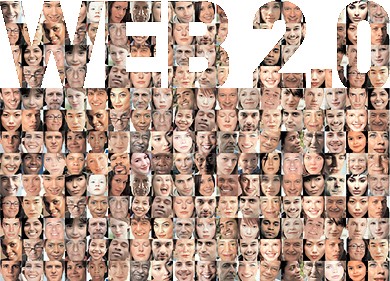
يعتبرها البعض بدايات الجيل الثاني من الشبكة العالمية للمعلومات، ويطلقون عليها "ويب 2.0." ويعتقد آخرون أن "ويب 2.0" لفظة تسويقية أكثر منها دالّـة. ولكن هؤلاء وأولئك يجمعون على أن انعطافة غير مسبوقة تحدث الآن في مسار تطور الشبكة العالمية للمعلومات. (نسخة أيسر للطباعة نسق بي دي إف)
يتفق محللون كثُر على أن الشبكة العالمية للمعلومات (World Wide Web) تنحو الآن منحى جديدا في مسار تطورها. ولكنهم يختلفون حول كل ما عدا ذلك تقريبا. فيختلفون، مثلا، حول كنه هذا التغير في المسار، ومغزاه، والنهاية التي يمكن أن ينتهي بنا إليها.
الذين أطلقوا لفظة "ويب 2.0" (Web 2.0) – وأولهم ديل داورتي عام 2003 – لا يعرّفونها بتعريف واحد، وإنما بأمثلة تدل على ما يقصدون. فيشيرون لنماذج واتجاهات يعتقدون أنها تعتمل الآن وستسود الشبكة العالمية في المستقبل.
الشبكة نظام التشغيل الأشمل
أول هذه الاتجاهات – كما أورد تيم أورايلي في مقال شهير في سبتمبر 2005 أعادت مجلة "BusinessWeek" نشره – أن تصبح الشبكة العالمية للمعلومات (اختصارا: الويب) هي نظام التشغيل الأشمل. ويشير بذلك إلى التطبيقات والخدمات الجديدة التي بدأت في البزوغ وتعمل عبر متصفح الإنترنت، دون تقيد بنظام تشغيل معين. ومن أمثلة ذلك موقع (Writely.com) المجاني الذي يتيح خدمة معالجة النصوص، إنشاء وحفظا واسترجاعا على الويب من خلال متصفح الإنترنت. وهو ما يعني أنك تستطيع أن تفتح هذه الملفات وتحررها وتحفظها مرة أخرى من أي حاسوب في العالم متصل بالإنترنت، كما هو الحال مع خدمات البريد الإلكتروني الشائعة. ويختلف ذلك جذريا عن برامج معالجة النصوص التقليدية (كبرنامج "ورد" من مايكروسوفت) الذي يجب تثبيته على الحاسوب الشخصي، و لا يمكن الاستفادة من الملفات إلا عبر ذلك الحاسوب بعينه.
ولا يقتصر ذلك على برامج معالجة النصوص. فثمة مواقع تقدم خدمة الجداول المحاسبية، مثل (NumSum.com)، وأخرى تقدم حزما شبه متكاملة للبرامج المكتبية (مثل gOffice.com وThinkFree.com). وهناك أيضا موقع Meebo.com الذي يتيح – من نافذة متصفح الإنترنت – الدردشة عبر أشهر مقدمي خدمة الدردشة: ياهو وMSN وAOL دون الحاجة لتحميل أو تحديث أي منهم. وهناك مواقع عديدة تمنح مجانا (تقريبا) مساحات تخزينية للمستخدمين ليحفظوا ملفاتهم، إما للاستخدام الشخصي أو لمشاركتها مع آخرين، مثل SaveFile.com وeSnips.com. يجمع بين هذه الخدمات أن المستخدم يستفيد منها بصورة كلية عبر شبكة الويب.
الذكاء الجمعي
ثاني الاتجاهات في ما يسمى "ويب 2.0" أو الجيل الثاني من الشبكة العنكبوتية، أن المواقع التي تحظى بأعظم النجاحات هي تلك التي تًصمم خدماتها بحيث تستفيد من الذكاء الجمعي لمستخدميها.
ويضرب تيم أورايلي – وهو ناشر شهير لكتب وموسوعات تكنولوجيا المعلومات – مثالا على ذلك بشركة أمازون لتجارة التجزئة على الويب. فموقع أمازون، والذي بدأ نشاطه ببيع الكتب عبر الإنترنت عام 1996، سرعان ما أصبح أكبر منفذ إلكتروني في العالم في بيع الكتب، رغم أنه لم يكن أول من يقوم بذلك. ومرجع ذلك أن أمازون لم تكتف ببيع الكتب كما فعل ويفعل آخرون. وإنما دعت مستخدميها إلى إرسال تعليقاتهم ونقدهم ومراجعاتهم لما يشترون من كتب. ثم قامت أمازون بنشر هذه المساهمات لتكون مرشدا لمن يرغب من المستخدمين الجدد في شراء الكتب التي أبدى فيها آخرون آراءهم.
إضافة إلى ذلك، ابتكرت أمازون خدمة "قوائم الترشيح." فعند زيارتك لصفحة أحد الكتب ستجد قوائم ترشيح تخبرك أن المستخدمين الذين اشتروا هذا الكتاب اشتروا معه أيضا كتب كذا وكذا؛ وأيضا أن القراء الذين اشتروا كتبا لهذا الكاتب يقرؤون كتبا للكتاب فلان وفلان. والمقصود أن أمازون ذاتها لا تضيف كثيرا لما تبيع من منتجات، وإنما تحسن إدارة ما لديها من معلومات، مصدرها المستخدمون أنفسهم. ويذكر كاتب السطور أنه قضى ذات مرة حوالي 4 ساعات في قراءة آراء المستخدمين حول طرز مختلفة من مسجلات الصوت الرقمية على أمازون إلى أن اختار إحداها وهو متيقن بعض الشيء ما الذي سيشتريه، وهو ما يختلف عن السابق حيث كانت تجربة الشراء مجازفة كاملة.
ومن أمثلة الاستفادة من الذكاء الجمعي للمستخدمين، أيضا، إتاحة الشركات لواجهة المبرمجين (اختصارا API) بغير قيود، بحيث يتمكن المستخدمون من ابتكار خدمات وتنويعات جديدة على الموقع أو الخدمة الأصلية. فشركة جوجل مثلا أعقبت طرح خدمة الخرائط بإتاحة واجهة المستخدمين، مما شجع الكثير من المبرمجين الهواة على استحداث تنويعات من الخدمة، بتحوير نسخ منها أو دمجها مع خدمات أخرى مبتكرة. ولم تعترض جوجل على ذلك (للمزيد راجع مقال "إعادة اكتشاف الجغرافيا إلكترونيا" بعدد مايو 2006 من الملحق العلمي).
وداعا للتحديثات

ثالث الاتجاهات في موجة "ويب 2.0" هو أفول عصر تحديث البرامج والتطبيقات بصورة دورية. ففي النموذج الذي ساد طوال العقد الماضي، يشتري المستخدم برنامجا أو تطبيقا، ثم يضطر بعد عام أو أكثر إلى شراء الإصدار الأحدث منه، لأن سابقه لم يعد يعمل على حاسوب جديد، أو لأن الشركة التي أنتجته لم تعد تدعمه تقنيا. ولأننا نستخدم عشرات البرامج والتطبيقات فإن تحديثها دوريا ربما كان أكثر مصادر "وجع الدماغ." أما في النموذج الآخذ في الظهور الآن، فليس على المستخدم سوى الاستفادة من الخدمة أو التطبيق، إما مجانا أو باشتراك شهري أو سنوي، وكل ما عدا ذلك يقوم به مقدم الخدمة.
فنحن مثلا لا نعطي بالا لتحديث محركات البحث MSN أو ياهو أو جوجل، وإنما نستفيد منها فحسب. أما تحديثها وتحسين أدائها فمهمة هذه الشركات، ونحن نكاد لا نهتم طالما أن الخدمة جيدة. وفي أحيان أخرى، لو أنك تستفيد من خدمة شركة SalesForce.com (لإدارة العلاقات مع عملاء الشركات، أو اختصارا CRM) فليس مطلوبا منك أكثر من دفع اشتراك شهري، وكل ما عدا ذلك تقوم به الشركة ذاتها.
رابع اتجاهات "ويب 2.0" أن دور المستخدمين لا يقف عن حدود الاستفادة من المعرفة المتاحة وتناقلها، وإنما يتضمن المشاركة في صنعها أيضا. والمثال الشائع لذلك موسوعة "ويكيبيديا" المجانية. إذ يتعاون في إعداد موادها آلاف المتطوعين حول العالم، وهي تمنح أي زائر لها إمكانية تحرير ما عليها من مواد أو إضافة الجديد. وتفوق ويكيبيديا في عدد موادها الآن دائرة المعارف البريطانية الشهيرة.
الشبكة متحررة من القيودة
نستطيع إذن أن نخلص إلى تعريف لـ "ويب 2.0" بأنها شبكة المعلومات وقد شبت عن الطوق، فصارت قادرة على تقديم كافة أنواع الخدمات لمستخدميها (من معالجة نصوص وجداول محاسبية، وقواعد بيانات، وبريد إلكتروني وحفظ ملفات) دون النظر إلى نوع نظام التشغيل، أو إلى نوع الأداة الحاسوبية المستخدمة (سواء حاسب شخصي أو هاتف نقال أو غيرهما)، وكذلك دون التقيد بقيود الجغرافيا، إذ يمكنك أن تنشئ وتحفظ وتسترجع كافة أنواع الملفات من أي نقطة على الأرض طالما أن لديك أداة حاسوبية قابلة للاتصال بالشبكة العالمية.
ولكن "ويب 2.0" نالت نصيبها من النقد أيضا. فالبعض ينتقد التسمية بأنها غير دقيقة، معتبرين أن التطور الذي يحدث الآن (والذي من سماته مشاركة المستخدمين في صنع المعرفة والاستفادة من الذكاء الجمعي لهم في تحسين الخدمات المقدمة) ترجع جذوره لبدايات شبكة الإنترنت في السبعينيات ثم الويب في أوائل التسعينيات، وأن ما نرى الآن ثمار وليس ابتكارا جديدا في ذاته. وإن كانت هذه التطبيقات تحظى الآن بانتشار أكثر من أي وقت مضى.
وثاني الانتقادات لـ "ويب 2.0" أن الملفات الشخصية المحفوظة على الحواسيب الخادمة لمقدمي الخدمة (سواء كانت الرسائل الإلكترونية أو ملفات النصوص) ربما تكون أقل أمانا مما لو حفظت على الحاسوب الشخصي. كما أن بعضا من هذه الشركات التي تبزغ لتقديم هذه الخدمات الإنترنتية المجانية تخفق في أحيان كثيرة في خلق مصدر للأرباح وتضطر لإيقاف خدماتها بعد حين.
وثالث الانتقادات أن برامج معالجة النصوص أو الجداول المحاسبية المعتمدة على الويب لا تزال في أطوارها الأولى ولم تصل بعد لدرجة الإتقان والشمول الوظيفي اللذين تحظى بهما الآن برامج معالجة النصوص والجداول المحاسبية التقليدية.
سطوة الهواة؟
أما رابع الانتقادات للموجة الجديدة فأنها تشجع المعرفة التي يصنعها هواة – كالمدونات وموسوعة ويكيبيديا – بدرجة مبالغ فيها أحيانا لأنها مجانية في الغالب، مما قد يؤثر سلبا على تقدير المجتمع للأفراد الذين يقومون بصورة مهنية بصنع المعرفة، كالصحفيين أو متخصصي كتابة الموسوعات وغيرهم. أو كما كتب نيكولاس كار، المحرر السابق لمجلة هارفارد بيزنس ريفيو، في مدونته أن ذلك سيؤدي إلى شيوع ثقافة "قبول المنتجات المعرفية التي يصنعها الهواة." وأكد كار أنه لا يمكن الوثوق بنزاهة مواد موسوعة ويكيبيديا كما نثق بمواد دائرة المعارف البريطانية مثلا. وأشار إلى أن زهد المجتمع في المنتجات المعرفية الموثوقة ربما تكون له آثار سالبة في المستقبل.
هل ستواصل برمجيات "ويب 2.0" طريقها التطوري وتحظى بقبول عموم المستخدمين أم أنها "موضة" تكنولوجية سرعان ما ستخبو؟ أغلب الظن أن كلا النموذجين – برمجيات الويب والبرمجيات المثبتة على الحاسوب الشخصي – سيستمران في المستقبل دون أن يقصي أحدهما الآخر بصورة نهائية. وسيسفر المستقبل القريب عن طبيعة هذا التعايش المشترك.
w.shobakky@gmail.com
إطار جانبي: مواقع هامة
*مواقع الحزم المكتبية: gOffice.com، ThinkFree.com.
*مواقع معالجة النصوص: Writely.com، Writeboard.com
*مواقع الجداول المحاسبية: iRows.com، Numbler.com، NumSum.com Spreadsheets.google.com
*مواقع لخدمات الرزنامة: kiko.com، voo2doo.com، وGoogle.com/calendar
*مواقع حفظ الملفات على الشبكة: SaveFile، Box.net، Znail.com، eSnips.com
*موقع لتصميم وحفظ الأشكال التوضيحية: Gliffy.com
* موقع الترجمة الفورية (منها العربية والإنجليزية في الموقع الأول): Translate.google.com، Babelfish.altavista.com/tr، Freetranslation.com
April 19, 2007
A Tale of Two Sheikhdoms
 Waleed al-Shobakky in Doha, Qatar
With their oil billions, the Arabian Gulf states are on a spending spree in science and technology – inviting Western universities and technology companies to set up classrooms and laboratories. But will the investments pay off?
A close look at two of the biggest science spenders shows contrasting strategies for technology development. Dubai, one of the seven United Arab Emirates, is a pioneer of diversification from oil into science—drawing 19 universities so far to its “Knowledge Village,” to set up profit-seeking satellite campuses for science, technology and business. Nearby Qatar, by contrast, is a newcomer to the field and is taking a long-term strategy, spending heavily to bankroll labs and classrooms with the help of selected Western academics.
It’s too early to say which strategy, for-profit or for-science, will work best in the long run—but in the meantime, all the spending has prompted a feeding frenzy in the cash-strapped academic world. The rush for oil wealth has drawn academic brand names such as Massachusetts Institute of Technology, Imperial College London and the Sorbonne, and others such as Australian Wollongong University and Britain’s Middlesex University.
“This is the only place in academia I have ever been in that is not limited by financial constraints,” says James Holste, associate dean of Texas A&M University’s school of engineering in Qatar. Back in the mother campus in Texas, he adds, no matter how good your proposal is, there is a point you cannot get past in getting finances for projects; here, if you convince Qatar Foundation of the educational value of your project, you will just get the money.
For Arab science, it amounts to a Renaissance – or at least, the money is being made available to fund one. In all, 15 Middle Eastern countries are now running or planning science parks. Dubai was was one of the pioneers – but others are catching on fast. And with leaders conscious of the missed opportunities of the oil-price boom in the mid-1970s, they are banking on the new oil boom and are investing enormous amounts of their petrodollars into projects designed for life after oil. In doing so, they are in fact demonstrating a commitment to science and research hardly ever witnessed in this part of the world.
A me-too?
On the surface Qatar may seem to be just a copycat of the Dubai and the UAE. After all, Qatar has just recently started doing what the UAE has been doing for quite some time: heavy investing in infrastructure and non-oil sectors; bringing in Western universities; building a technology park with heavy-weight multinational corporations as tenants; and introducing regulations that make the country more business- and foreign labour-friendly.
The UAE is indeed widely believed to be a pioneer in the Gulf region in terms of opening up and diversifying its economy and modernizing higher education. And if media coverage in illustrious magazines can serve as indication of success, then the Dubai emirate is certainly in an enviable position among the region’s cities. Dubai was featured in cover stories of National GeographicBusinessWeek, to mention just a couple of examples. It was also lavishly dubbed the “Tech Mecca” by Wired magazine and “the most connected city in the Middle East” by the Foreign Direct Investment magazine, a publication of the Financial Times. and
To many, Dubai, and the UAE at large, looked like the best model of doing things in the region—until Qatar’s plans started to be implemented.
By invitation only
“The UAE got the idea going,” says Texas A&M’s Holste, speaking of the UAE’s Knowledge Village (KV) and Qatar’s Education City (EC). “But the way Qatar implemented that concept [of having Western universities open branches locally] is getting a lot of attention because they have done things differently from everybody else.”
And it is no small difference. The UAE offers the facilities, on a lease basis, to any university from around the world interested in setting up shop in its attractive Dubai Knowledge Village – whose universities, nineteen in all, include the Australian Wollongong University, Britain’s Middlesex University, the Indian Mahatma Gandhi University and the Pakistani Shaheed Zulfikar Ali Bhutto Institute of Science and Technology, along with other French, American and local universities. Those universities, with the exception of local ones, are operating in Knowledge Village as profit-seeking entrepreneurial entities, with the tuition fees from students as their bread and butter.
Market realities, therefore, largely shape the approach of those universities. For instance, the courses highest in supply in Dubai’s Knowledge Village are those of business administration and computer science because of the high demand. And because those courses are cost-competitive, very little, if any, is spent on research, “which is necessarily expensive and with no direct financial return,” according to David McGlennon, director of research and outreach in Zayed University, who has done work on research capacity building in the Gulf Cooperation Council countries.
Also, McGlennon adds, universities that are set up in the UAE free zones, including Dubai Knowledge Village, are not required to be accredited through the national system and can be accredited only through the free zone authority. A Knowledge Village spokesperson declined to comment for this story.
In the Education City, by contrast, Qatar cherry-picks select universities and—with the incentive of full financial backing, special benefits to faculty and staff, and extensive financial aid programs to non-Qatari students—invites them to set up branch campuses in the 25,000-acre, and growing, campus.
Each of the invited universities brings in only one school, with the exception of Carnegie Mellon University which has two schools in Qatar: business administration and computer science. Other Education City branch campuses are Cornell University, with its medical college, Texas A&M’s school of engineering, Virginia Commonwealth’s school of interior and fashion design and Georgetown University’s school of foreign service.
“We are not interested in getting a quick financial return on our investments in the Education City,” says Abdullah Al-Kubaisi, chairman of Qatar Science and Technology Park and principal advisor to Qatar Foundation on science and technology.
Established in 1995, Qatar Foundation is the institution that spearheads Qatar’s efforts in science, technology and education. The Education City, Al-Kubaisi adds, is part of a larger, state-backed capacity-building plan that is bolstered by other QF projects, such as Qatar Science and Technology Park and Qatar National Research Fund.
Quality not survival
Texas A&M’s associate dean sees Qatar’s Education City approach as better geared for the future. “Qatar Foundation does not push its partners to be entrepreneurial to survive. Therefore we can think more about quality, and not about survival,” he says.
On that McGlennon agrees. From the R&D perspective, he says, Qatar has a very cohesive strategy. The Dubai-based scientist also notes that, thanks to the recently established Qatar National Research Fund, Qatar has developed its own national R&D priorities, a step he sees vitally necessary for any country serious about advancing its research and development capacity.
Which, of course, is not to say that Dubai does not have money or the willingness to spend on research. This last February, Sheikh Mohammad Bin Rashid Al Maktoum, Dubai’s ruler and the UAE’s prime minister, launched the Knowledge Fund which is geared towards supporting “government projects such as scholarships, scientific research, development of teaching staff and educational infrastructure improvement”. Beyond those general outlines, not much was disclosed about the priorities of the fund.
Big is beautiful
Why Qatar seems to have a more cohesive approach, however, may be due to factors more basic than plans and willingness. After all, the UAE is seven times Qatar’s size, and three times Qatar’s GDP and population. The UAE is composed of seven emirates (and hence seven rulers), with varying degrees of resource endowments, and diverging administration styles and priorities.
For instance, Abu Dhabi is much more endowed with oil revenues than Dubai – revenues that Abu Dhabi can apply to projects with no potential of short-term returns, like Qatar. Last October France’s renowned Sorbonne opened its doors for the first class in its Abu Dhabi campus. Britain’s Imperial College London is helping develop a diabetes clinic and research centre. And last February, an agreement was inked between Abu Dhabi-based Masdar Institute of Science and Technology and MIT to offer a graduate programme in the UAE.
Qatar, on the other hand, is very rich in natural gas resources — and with one ruler, Sheikh Hamad Bin Khalifa Al-Thani, to call the shots. And with a real growth rate of GDP of 7.1 per cent for 2006 and forecast to accelerate, Qatar’s big ambitions may be realised. Last November Qatar’s emir pledged 2.8 per cent of annual GDP (or about $1.5 billion) to R&D. That stands out in a region where average spending on R&D does not exceed 0.02 per cent of gross national product, most of which goes to salaries, according to the United Nations Development Programme’s 2003 Arab Human Development Report.
“I think Qatar wants to establish itself as the ‘knowledge centre’ of the region,” says Tony Murphy, vice president of Gartner Consulting, who is familiar with research and development initiatives in the region. “And in this it is likely to be quite successful.”
Last February, Qatar Foundation unveiled its plans for Sidra Medical and Research Center, a collaborative project between the foundation and Cornell University’s Medical College in Doha. The endowment to be allocated to this project is $8 billion, probably the largest in the world for a medical facility.
“Almost everything that is being built here is the biggest of its kind in the world,” says Texas A&M’s Holste. He cites Ras Laafan liquefied natural gas train and QAFCO urea factory as examples of this trend. “Nobody is building bigger or more modern things.”
A winning model?
So which of these approaches is likely to pan out in the long term: the UAE’s generally entrepreneurial model or Qatar’s by-invitation-only and big-is-beautiful model?
“From the R&D perspective,” says Zayed University’s McGlennon, “Qatar has a higher chance of succeeding based on the way its initiatives are currently structured”
Still, the amount of spending on, and the level of a state’s commitment to R&D, though essential, is only one aspect of creating a knowledge-based economy. An environment hospitable to scientists, adequate intellectual property laws, foreign labour-friendly regulations, and efficient services sector (such as the banking sector) are all prerequisites for a knowledge economy to evolve. In some of those areas, the UAE is ahead of Qatar.
And some even see the whole comparison as a distraction. “They are both good models as far as they achieve the goals for which they were set up,” says Mohammed Hammoudi, Microsoft Qatar country manager. He adds that while Dubai has an expressed “commercial” character, and proved very successful at that, Qatar is going in the direction of R&D, and may end up as successful. Microsoft has offices in both Dubai Internet City and Qatar Science and Technology Park.
Farouk El-Baz, a former NASA geologist and advisor to Qatar Foundation, notes that although Qatar and the UAE have selected different paths in their development endeavors, both have “surpassed most other Arab countries in putting a high priority on improving education of their citizens. This will bode well for their future.”
He also points out that while Qatar has one approach, the UAE has many. “Qatar can develop a model to apply throughout the country, which would be more difficult to do in the UAE.” El-Baz, director of Boston University’s remote sensing centre, believes that the great success and visible impact of improving education in Qatar and the UAE will encourage other Arab countries to implement some of the successful initiatives, each in its own way.
Yet the visibility of Qatar’s and the UAE’s projects sometimes invites undisguised competition. One example is the surging interest in building science and technology parks across the region. Fifteen countries in the Middle East, including the six Gulf Cooperation Council countries, have already established, or announced plans for, such parks. Eulian Roberts, CEO of Qatar Science and Technology Park, welcomes this development because, he says, this sends the right signal regarding this region’s seriousness about R&D.
That competition might also be a challenge. “What I see as one of the biggest challenges for the region is to get past national competition attitude [and move] towards actually true, regular cooperation and coordination,” says Texas A&M’s Holste.
What remains a large looming problem for both Qatar and the UAE is how to ensure an adequate supply of skilled labour for the mega-projects being undertaken and the ambitious plans being drawn. McGlennon says that the constant turnover in short term contracts (two to three years) will not be very helpful to R&D, which is naturally time-consuming.
Indeed, already the shortage of skilled and committed labour is a palpable problem. Tidu Maini, Pro Rector of the Imperial College London and advisor to Qatar Foundation, says that a major challenge now is to hire the right people who find the foundation’s vision, rather than money incentives, its main attraction.
March 15, 2007
Qatar's Science Revolution

Published on the Science and Development Network (SciDev.net)
Qatar is building an education, science and technology infrastructure at record speed — but not without friction, reports Waleed al-Shobakky. Read on ...
Photo credit: Martin Marion (Cornell Univ. Students)
March 12, 2007
ماذا بعد جوجل؟
ما بـعـد جـوجـل
آفاق وتحديات البحث على الإنترنت
ولـيد الشـوبـكي – إســلام أونـلاين، أغسطس 2004
كأنما بين عشية وضحاها، تحولت تقنية البحث على الإنترنت من خدمة ثانوية إلى العصا السحرية التي تحقق وعود ثورة المعلوماتية.
فقد كانت المواقع متعددة الخدمات مثل "Yahoo" وأمريكا أون لاين "AOL" تنظر للبحث على الإنترنت باعتباره خدمة ليست ذات بال بالمقارنة بالبريد الإلكتروني المجاني أو "الدردشة". إذ لم يكن يُنتظر أن تُجنى من وراء تقنية البحث أي عوائد، فليس من المتوقع أن يدفع أي مستخدم يوما مقابلا لاستخدامها.
إلا أنه خلال الفترة ما بين تهاوي أسهم معظم شركات مواقع الإنترنت في أواخر عام 2000 واسترداد بعض تلك الشركات عافيتها من جديد صعد نجم شركة "جوجل" (Google) باعتبارها أهم محرك بحث على الإنترنت، وكانت قمة صعوده عندما أعلنت الشركة في إبريل 2003 عن طرح أسهمها للاكتتاب العام في بورصة نيويورك، مما سيجلب للشركة حوالي 3.3 مليارات دولار، وسيقفز بالتقييم المالي للشركة إلى حوالي 22 مليار دولار.
وقد صاحب – أو أعقب – صعود جوجل أن صارت محركات البحث المنفصلة أو تلك الموجودة على المواقع الكبيرة، مثل MSN و AOL والتي كانت تعاني من الإهمال مثار الاهتمام ومصب الاستثمارات.
فشركة مايكروسوفت أعلنت أنها ستدمج تقنية بحث فائقة على النسخة القادمة من نظام تشغيلها "ويندوز"، المنتظر طرحه عام 2006 (باسم كودي "لونج هورن"). كما بزغت خلال السنوات الثلاثة الأخيرة عشرات محركات البحث المتنوعة في التوجه والتقنية. وهكذا صارت تقنية البحث على الإنترنت القطار الذي يحاول الجميع قيادته أو اللحاق به على الأقل.. فكيف حدث ذلك التغير؟
عصر البحث وليس التنظيم
نستطيع تفسير ازدهار محركات البحث بأنه راجع -ببساطة- إلى النمو الكبير للشبكة العالمية. فقد وصل حجم مجموع مخزون الحواسيب المرتبطة بشبكة الإنترنت إلى حوالي 256 تيرا بايت (مليون جيجا بايت) من النصوص والمواد المسموعة والمرئية.. وقد أدى ذلك النمو الكبير إلى شعور المستخدم العادي، بأنه يعاني من "تخمة معلوماتية"، لها نفس الأثر السيئ الناتج عن شح المعلومات؛ ففي كلتا الحالتين لا يستطيع المستخدم الحصول على ما يريد.
لقد أعطت تقنية البحث على الإنترنت للمعلومات قيمتها، وجعلت الوعود التي صاحبت ما سُمي "ثورة المعلومات" قابلة للتحقق. وقد لخص ذلك ستيف جوبز رئيس شركة أبل للكمبيوتر في المؤتمر العالمي لمطوري الشركة في سان فرانسيسكو أوائل يوليو 2004 بقوله: "الموجة القادمة هي البحث وليس التنظيم" (ويقصد أن المستخدم لن يهتم بتنظيم الملفات في فهارس، وإنما سيضعها على حاسبه الشخصي أو على الشبكة فحسب وعندما يريدها سيبحث عنها بواسطة تقنيات البحث).
فبكتابة كلمة مفتاحية (keyword) أو عبارة في خانة البحث على أي محرك بحثي، تقوم برامج تقنية البحث وتسمى عناكب (spiders) بالتنقيب في المليارات من صفحات الإنترنت الموجودة على الملايين من أجهزة الكمبيوتر المرتبطة بالشبكة وغربلتها وتحليلها لتأتي لك بعناوين الصفحات أو المواقع التي تحوي الكلمة أو العبارة موضع البحث، وبعد أن كانت تلك الصفحات أو المواقع ملقاة متناثرة في الفضاء الإلكتروني بغير رابط -ومن ثَم بغير قيمة- صارت لها قيمة هائلة من خلال محتواها الذي سيثري الموضوع محل البحث.
لكن لا يزال هناك ما يثير شكوى المستخدمين من محركات البحث، بما فيها جوجل، وهو أن عدد نتائج البحث -والذي يصل أحيانا إلى ملايين الصفحات- يكون من الضخامة بحيث يستحيل أن يصل المستخدم لما يريد. فكتابة "blue whale" (الحوت الأزرق) في خانة بحث جوجل ستأتي لك بـ 629 ألف صفحة، بعضها بالطبع عن الحوت الأزرق، ولكن هناك أيضا صفحات عن دهانات وفرق موسيقية ومجموعات بيئية وإعلانات عروض تليفزيونية وأجهزة منزلية، كلها تحمل نفس الاسم.
أدى ذلك إلى مطالبة المستخدمين بتقنيات بحث أكثر دقة وتخصصا. وقد شجع ذلك الكثير من الشركات الصغيرة الناشئة -بل جوجل نفسها- على العمل لإضافة تطويرات على تقنية البحث لجعلها أكثر قدرة على توصيل المستخدم للصفحات والمواقع ذلك الصلة بموضع البحث فحسب.
تقنيات البحث ما بعد جوجل
ثمة قيدان يحولان دون تمكن محركات البحث الشهيرة من الوفاء بطموحات مستخدميها. أولا أنها تأتي بعدد هائل من النتائج – غير دقيق وغير ذي صلة بموضوع البحث – بصورة تثبط قدرة الشخص على البحث عما يريد وسط ذلك العدد الضخم من الصفحات. وثانيا أنها لا تستطيع البحث إلا من خلال كتابة نص؛ كلمة أو عبارة، وذلك لعدم قدرة التقنيات الحالية على البحث خلال الوسائط الأخرى مثل ملفات الصوت والصورة، أو ملفات الأشكال ثلاثية الأبعاد. وقد أدى ذلك القصور إلى ظهور جيل جديد من تقنيات ومحركات البحث:
* محركات البحث المتخصصة: وهي تلك التي تتخصص في الإتيان بنتائج البحث في نطاق معين فحسب، كالعلوم مثلا. فلو أنك بحثت عن "blue whale" مثلا، فلن تظهر لك إلا النتائج التي تقع في نطاق المواقع العلمية أو الأبحاث والمنشورات العلمية فحسب. ومثال ذلك مواقع scirus.com، ingenta.com، PubMed.com، وneurogate.com وكلها متخصصة في البحث في نطاق المواقع والنشرات والدوريات الأكاديمية أو الطبية.
* محركات بحث ملفات الصوت: وتقوم بالتنقيب داخل ملفات الصوت نفسها، من خلال تقنية التعرف على الصوت (voice recognition). ومحركات البحث هذه تستطيع أن تقسم ملفات الصوت الطويلة إلى ملفات صغيرة حسب موضوعها، ويستطيع المستخدم أن يصل لكل موضوع من هذه على حدة. فلو أن مسئولا حكوميا مثلا يتحدث حول عدة موضوعات ذات اهتمام جماهيري في حديث إذاعي مبثوث عبر الإنترنت، فإن التقنية الجديدة تستطيع أن تحدد مثلا الجزء الذي يتحدث فيه عن الرعاية الصحية، وتجعله متاحا في نتائج البحث. ومن أمثلة محركات البحث هذه شركة "إستريم سيج" StreamSage. ويذكر أن كلية طب جامعة هارفارد تستخدم تلك التقنية لمساعدة طلابها على الحصول على المحاضرات عبر الإنترنت.
* محركات البحث ثلاثية الأبعاد: وفيها يكون على المستخدم أن "يرسم" شكلا تخطيطيا باستخدام فأرة الحاسوب، وسيستدعي هذا التخطيط الأولي نماذج مشابهة ومقابلة أكثر تعقيدا من قواعد البيانات المرتبطة بمحرك البحث. وفي حالة عدم مطابقة نتائج البحث لما يحتاجه المهندسون أو المصممون فإن محرك البحث يظهر الهيكل التصميمي للتركيب الهندسي. يستطيع المستخدم أن يجري بعض التعديلات على هيكل إحدى النتائج البحثية بزيادة أو نقصان أحد الأبعاد، ثم يعيد البحث كرة أخرى عبر التعديل الجديد ليحصل على نتائج أكثر دقة. ويعكف على تطوير هذه المحركات البحثية فريقان، أحدهما من جامعة بوردو، والآخر من جامعة برنستن الأمريكية.
* تقنية البحث المحلي: وتقودها كل من شركتي ياهو وجوجل. في هذه التقنية يحدد المستخدم موقعه، مدينة نيويورك مثلا، ومن ثَم لا تُعرض له من نتائج البحث (فيما يتعلق بمقدمي المنتجات أو دور السينما أو المطاعم) إلا تلك التي تقع في مدينته فحسب.
* محركات البحث التي تبحث في الملفات على الحاسوب الشخصي والشبكة العالمية في آن واحد: مثل ذلك التي طرحته شركة Blinkx والذي يظل يتابع أي صفحة يقرؤها المستخدم على شاشة حاسوبه، ويأتي بالصفحات ذلك الصلة بموضوع تلك الصفحة من على الحاسوب الشخصي ومن على الإنترنت. وكذلك تقنية البحث التي ستطرحها أبل في النسخة القادمة من نظام تشغيلها (tiger)، وسيقوم بالبحث على الحاسوب والإنترنت في آن واحد، واسم تلك التقنية SpotLight.
* التقنيات البحثية المكملة: وهي تلك التي لا تقوم بالأساس كمحركات بحث، وإنما كمكملات بالتعاون مع محركات أخرى. إذ تقوم بتنظيم نتائج البحث -من ياهو مثلا- في فئات كبيرة. فمثلا عند البحث عن "blue whale" فسيتم تقسيم النتائج -على سبيل المثال- إلى فئة المنتجات، وفئة المواد الصوتية، وفئة النصوص، وهكذا... من أمثلة هذه التقنيات تلك التي تقدمها شركتا Vivisimo وGrokker.
بل ويتطور مدى استخدام البحث على الإنترنت لآفاق لم يكن أحد ليتصورها. فقد وصلت تقنيات البحث لدرجة أن أصبحت إحدى وسائل الصراع في حملة الانتخابات الأمريكية 2004. فقد قام مؤيدون للحزب الجمهوري بالربط بين كلمة waffle (وتعني التحدث بغير معنى ولا فائدة) على محرك جوجل وموقع المرشح الديمقراطي على الإنترنت، بحيث إذا قام مستخدم بالبحث عن تلك الكلمة ظهر له في صدر نتائج البحث موقع "جون كيري" على الإنترنت! وقد رد الديمقراطيون بأن ربطوا -على محرك جوجل أيضا- بين كلمة "أخطاء فادحة" miserable failures وموقع الرئيس الجمهوري جورج بوش الابن!
لقد غيرت تقنيات البحث الشبكة العالمية وكيفية استخدام البشر لها. ويبدو أنها ستظل مجبرة على الترقي الدائم لإشباع رغبة الإنسان في الحصول على أقصى إشباع لإحدى أعمق غرائزه: نهمه الدائم للمعرفة.

